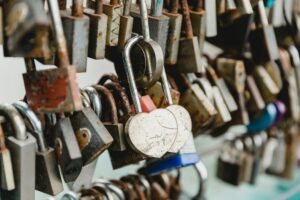
If you’re new to escape rooms, it helps to know a bit about how they work before stepping inside. Different rooms have different puzzle styles, and the type of challenge can shape the entire experience. In places like Bradenton, FL, many games start with something as simple as a lock, while others surprise players with hidden doors that reveal more of the space. These design choices change how teams explore, communicate, and solve problems. When you know what to expect, it can make your first escape room feel a lot less overwhelming and a whole lot more fun.
How Traditional Locks Work in Escape Rooms
Lock-based puzzles are some of the most common parts of escape rooms, especially beginner-friendly ones. They’re simple to explain, easy to use, and highly satisfying when solved. You’ll usually find them on boxes or cabinets that hold clues needed for the next stage of the game.
- Numeric locks rely on combination codes, often found by solving math problems or counting items in the room.
- Letter locks ask players to find the right word or short phrase using hints from puzzles and props.
- Directional locks use arrows that correspond to paths, compass directions, or object placement in a sequence.
These types of puzzles focus on building confidence. When first-time players get that click from a lock snapping open, it feels like progress. Each correct guess encourages more teamwork and a better rhythm within the group. It teaches players to share what they see, test ideas, and use logic, skills they’ll need throughout the rest of the room.
Hidden Doors and What They Add to the Experience
Where locks guide you one clue at a time, hidden doors offer something totally different. They bring in moments of surprise that can completely change how a space feels. One second you think you’ve seen everything, and then a cabinet opens or a wall shifts to reveal another section of the game.
Here’s how hidden doors usually work:
- Some use pressure plates activated by placing items in the correct spot on the floor or shelf.
- Others open with magnetic triggers or touch-sensitive panels built into furniture pieces.
- Sometimes, solving a puzzle unlocks a motion-activated mechanism that quietly slides a door open.
Rooms that include these features often rely more on exploration than math or vocabulary. They give players reasons to touch, test, and move through the space with curiosity. This adds layers to the story and encourages players to notice the small stuff, walls that don’t match, furniture that’s out of place, or props that feel heavier than they should.
Our Bradenton location features immersive environments with a mix of lock puzzles and secret passages, making the adventure exciting for both beginners and experienced players.
Picking the Right Game Setup for Your Group
Not every group gets the same satisfaction out of the same puzzles. Some love solving codes and cracking locks. Others get more excited by discovering hidden spaces or finding clever hacks in the room’s layout. Knowing which style feels fun to your group can help make the game smoother and more enjoyable for everyone.
- Families with younger kids might enjoy lock-based puzzles for their clarity and simplicity.
- Mixed-age groups often do well with rooms that blend both styles, offering something for every comfort level.
- Friends who enjoy surprise or story-driven games may find hidden doors more exciting, especially when the room is visually rich.
If you’re booking a game in Bradenton, it helps to read the room’s description ahead of time. Some games mention whether they involve exploring a larger space or sticking mostly to solving codes and unlocking boxes.
What Beginners Should Know Before Booking
It’s best not to assume that every escape room will include both styles. Some games lean fully on classic lock logic, while others use little more than hidden switches and mechanical triggers. Neither is better, but they do shape how the game flows.
- Watch out for words like “linear” or “open-layout” when reading descriptions, that can hint at the puzzle style.
- Strong observation skills matter even more than complex problem-solving. Learning to speak up, listen, and help each other spot small details makes a big difference.
- The real win isn’t just escaping as fast as possible. It’s walking out with good memories, some laughs, and a few shared “aha” moments.
Above all, try to go in with a flexible mindset. Whether the puzzle is a three-digit code or a secret bookcase passage, every clue has its place in the game.
Why Game Design Choices Matter More Than You Think
The way designers build a game says a lot about how they want players to experience it. A room packed with locks might encourage teamwork through discussion and data sharing. A space with hidden doors might ask players to move more, split up, or explore in silence without breaking character.
- Lock puzzles tend to have a direct goal and build momentum when solved back-to-back.
- Hidden doors create breaks in pacing, offering quiet reveals or dramatic shifts in what players can do next.
- Groups who understand the pacing and puzzle types of their game usually enjoy it more. They spend less time feeling stuck and more time feeling involved.
Even if it’s your first escape room, you can pick up on these patterns quickly. Recognizing the type of room you’re in can help you decide when to think harder or when to look closer at the space around you.
Discover the Style That Makes the Game More Fun
Every escape room offers something different, which means every player connects with it in their own way. There’s no wrong method to enjoy solving puzzles or exploring a new setting. Some people love locks and logic, while others get a thrill from sliding open a door they didn’t even notice was there.
Learning a little about how an escape room works doesn’t ruin the surprise. If anything, it helps you settle in faster and spend more time getting into the story. You don’t have to be an expert to enjoy it, you just have to be ready to try, pay attention, and have fun working with others.
Once you’ve tried a few rooms, you’ll probably find the style that clicks best with you. Whether that means cracking combos or spotting sliding walls, it’s all part of what makes an escape room worth the experience.
Curious which puzzle style is the best fit for your group? Whether you enjoy solving codes, exploring hidden doors, or experiencing a blend of both, there’s something thrilling about stepping into a room and collaborating with your team. Our Bradenton location offers immersive experiences where everyone can contribute, no matter their puzzle background. Explore what each escape room has to offer and let Premier Escape Adventures help you plan your next adventure. Reach out today to schedule your visit or ask any questions.